“Tried multiple diets but nothing sticks?”
If you’ve ever found yourself losing a few kilos only to gain them back weeks later, you’re not alone. Most diets fail not because you lack discipline—but because they’re too restrictive, unrealistic, or simply not designed for long-term living. Cutting carbs completely, skipping meals, or relying on fad trends may show quick results, but they rarely last.
This is where the weight loss Mediterranean diet approach stands out.
Instead of forcing your body into extremes, it works with your natural metabolism—focusing on whole foods, balanced nutrition, and sustainable habits. It’s not about starving yourself; it’s about eating smarter, feeling satisfied, and gradually losing weight in a way that actually stays off.
What makes this approach powerful is that it’s rooted in real-world eating patterns from countries like Greece and Italy—places known not just for great food, but for healthier lifestyles and longer life expectancy. This isn’t a modern trend; it’s a time-tested way of eating that has been followed for generations.
In this guide, you’re not getting vague advice or generic meal ideas. You’re getting a structured, beginner-friendly 30-day system that you can actually follow without confusion.
Here’s exactly what you’ll get:
- A complete 30-day Mediterranean diet meal plan designed for weight loss
- A practical grocery list to simplify your shopping
- A real-life example to show what results can look like
- A clear strategy to help you lose weight consistently without feeling deprived
Think of this as having a nutrition coach guiding you step by step—helping you build habits that don’t just help you lose weight, but keep it off for good.
What is the Mediterranean Diet? (Beginner-Friendly Explanation)
Origins & Lifestyle Approach
The Mediterranean diet isn’t a “plan” that was created in a lab—it’s a way of eating that naturally evolved over time in countries like Greece and Italy. People in these regions didn’t follow calorie charts or strict diet rules. They simply ate fresh, seasonal foods, cooked at home, and enjoyed meals with family.
At its core, this approach is about balance. Your plate is filled with vegetables, fruits, whole grains, healthy fats like olive oil, and moderate amounts of protein such as fish or chicken. There’s no obsession with cutting out entire food groups or labeling foods as “good” or “bad.”
That’s why when we talk about the mediterranean diet and weight loss, it’s important to understand that the results don’t come from restriction—they come from consistency. You’re building a lifestyle that your body can adapt to, not forcing it into extremes.
Why It’s Different from Other Diets
Most diets fail because they demand too much, too fast. The Mediterranean diet takes a completely different approach.
- No starvation: You don’t skip meals or survive on tiny portions. You eat satisfying, nutrient-rich foods that keep you full for longer.
- No strict rules: There’s no rigid structure you must follow. You have flexibility in what you eat, which makes it easier to stay consistent.
- Sustainable eating: This isn’t something you follow for 10 days—it’s something you can realistically maintain for years.
Instead of focusing on what you can’t eat, it naturally shifts your habits toward better choices. And that’s what makes it effective in the long run.
Can You Really Lose Weight with Mediterranean Diet? (AEO Section)
Short Direct Answer
Yes, you can lose weight with Mediterranean diet because it focuses on whole, nutrient-dense foods that naturally reduce calorie intake while keeping you full. By improving your eating habits rather than restricting them, your body gradually burns fat more efficiently without extreme dieting or constant hunger.
How It Helps You Lose Fat
- Healthy fats control hunger: Foods like olive oil, nuts, and seeds keep you satisfied, reducing the urge to snack unnecessarily.
- Whole foods reduce calorie intake: Eating natural, unprocessed foods means fewer hidden sugars and empty calories.
- Balanced nutrition prevents cravings: When your body gets the right mix of nutrients, cravings for junk food decrease significantly.
This is why many people choose a mediterranean diet to lose weight—it works with your body, not against it, making fat loss feel natural rather than forced.
Quick Facts About Mediterranean Diet for Weight Loss
If you’re wondering why this approach works so consistently, here’s a quick breakdown that simplifies everything:
| Factor | Benefit |
|---|---|
| Calories | Naturally controlled without strict counting |
| Hunger | Reduced due to healthy fats and fiber-rich foods |
| Sustainability | Easy to follow long-term without feeling restricted |
| Results | Visible within 4–8 weeks with consistency |
The biggest advantage here is that you don’t feel like you’re “on a diet.” Instead, your eating habits gradually shift in a way that supports fat loss without stress or confusion.
Real-Life Transformation (What This Looks Like in Real Life)
Let me give you a practical example so you can see how this actually works beyond theory.
One of the most common situations I see is someone with a busy schedule—long work hours, irregular meals, and a reliance on quick, processed food.
Take a 34-year-old working professional. His routine looked like this:
- Skipping breakfast or grabbing tea with biscuits
- Heavy, oily lunch from outside
- Late-night dinners with takeout or packaged food
- Constant fatigue and mid-day cravings
Despite trying different diets, nothing lasted.
Then he shifted to a Mediterranean-style approach.
Instead of drastic changes, we made simple, realistic swaps:
- Breakfast became Greek yogurt with fruits and a handful of nuts
- Lunch shifted to grilled chicken or legumes with vegetables and olive oil
- Dinner included light meals like fish, soups, or sautéed vegetables
- Snacking was replaced with fruits or nuts instead of processed items
Within the first 2 weeks, the changes were subtle but noticeable:
- Less bloating
- Reduced cravings
- More stable energy throughout the day
By week 6–8:
- Weight dropped by around 5–7 kg
- Energy levels improved significantly
- Focus and mental clarity were better, especially during work hours
What made the difference wasn’t perfection—it was consistency. There was no starving, no extreme restriction, and no feeling of “I can’t eat this.”
This is exactly how sustainable weight loss should feel—manageable, realistic, and something you can continue without forcing yourself.
Mediterranean Diet Food List (What to Eat & Avoid)
One of the biggest reasons people succeed with this approach is simplicity. You don’t need complicated recipes or hard-to-find ingredients. The focus is on everyday foods that are easy to prepare and naturally support fat loss.
Foods to Eat
| Category | Examples |
|---|---|
| Vegetables | Spinach, broccoli, tomatoes, cucumbers |
| Fruits | Apples, berries, oranges, bananas |
| Proteins | Fish, chicken, eggs, legumes |
| Fats | Olive oil, nuts, seeds, avocado |
These Mediterranean Diet Foods are rich in nutrients, keep you full longer, and help your body function efficiently. When your meals are built around these options, weight loss becomes a natural outcome rather than a forced effort.
Foods to Avoid
- Processed foods (packaged snacks, ready-to-eat meals)
- Sugary drinks (soft drinks, sweetened juices)
- Refined carbs (white bread, pastries, excess sugar)
You don’t have to eliminate these completely forever, but reducing them significantly is key. The goal is progress, not perfection.
How This 30-Day Plan Helps You Lose Weight
This isn’t just a random collection of meals—it’s a structured system designed to help your body gradually shift into a fat-burning state without stress.
Here’s how it works:
Calorie Balance Without Counting
Instead of tracking every calorie, the plan focuses on nutrient-dense foods that naturally keep your calorie intake in check. You eat satisfying meals, but with fewer empty calories.
Portion Control—Naturally
Because meals include healthy fats, fiber, and protein, your hunger stabilizes. You feel full with smaller portions, which reduces overeating without conscious restriction.
Simple Meal Timing
There’s no complicated schedule. You eat regular, balanced meals that keep your energy steady throughout the day—preventing sudden hunger spikes and late-night cravings.
This is what makes a mediterranean style diet for weight loss so effective. It removes the pressure of strict dieting and replaces it with a system your body can follow comfortably. Over time, these small, consistent habits lead to real and lasting fat loss.
30-day Mediterranean Diet plan designed for weight loss
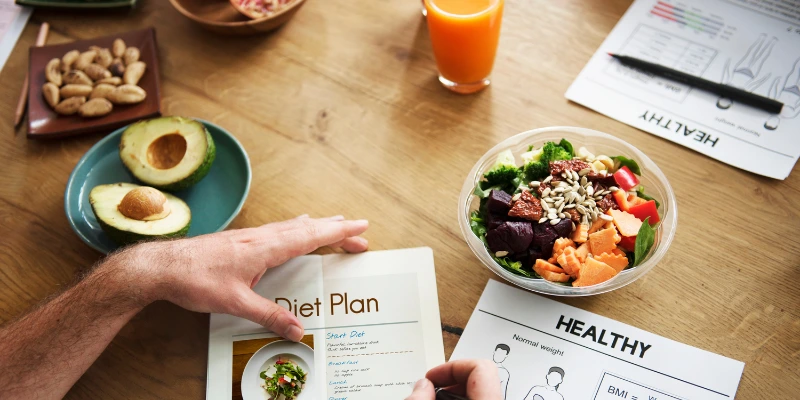
This is where everything comes together. Instead of overwhelming you with complicated recipes, this plan is designed to be simple, repeatable, and effective. Each week builds on the previous one—so your body adapts naturally without feeling forced.
Week 1 – Clean Eating Foundation
Focus: Reset your eating habits by removing processed foods and introducing whole, natural meals.
Goal: Reduce cravings and stabilize energy levels.
| Day | Breakfast | Lunch | Dinner |
|---|---|---|---|
| Day 1 | Greek yogurt + fruits | Fresh salad + olive oil | Grilled fish |
| Day 2 | Oats + nuts | Chicken bowl | Vegetable soup |
| Day 3 | Smoothie (banana + berries) | Quinoa salad | Grilled chicken |
| Day 4 | Whole grain toast + avocado | Lentil soup | Baked fish |
| Day 5 | Yogurt + honey | Chickpea salad | Grilled veggies |
| Day 6 | Oatmeal + seeds | Tuna salad | Chicken stew |
| Day 7 | Fruit bowl + nuts | Brown rice + veggies | Grilled salmon |
At this stage, don’t aim for perfection—just focus on consistency and cutting out processed foods.
Week 2 – Fat Burning Phase
Focus: Introduce more healthy fats and improve satiety.
Goal: Reduce hunger and prevent unnecessary snacking.
- Add olive oil to salads and meals
- Include a handful of nuts daily
- Increase fish intake (2–3 times a week)
- Keep meals simple but satisfying
| Day | Breakfast | Lunch | Dinner |
|---|---|---|---|
| Day 8 | Avocado toast | Chicken salad | Grilled fish + veggies |
| Day 9 | Greek yogurt + almonds | Quinoa + chickpeas | Veg stir-fry |
| Day 10 | Smoothie + flax seeds | Tuna wrap | Baked chicken |
| Day 11 | Eggs + olive oil toast | Lentil bowl | Grilled shrimp |
| Day 12 | Oats + walnuts | Brown rice + beans | Veg soup |
| Day 13 | Yogurt + berries | Chicken wrap | Grilled fish |
| Day 14 | Fruit + nuts | Mediterranean salad | Roasted vegetables |
You’ll start noticing that you stay full longer, which naturally reduces calorie intake without effort.
Week 3 – Metabolism Boosting
Focus: Balance macronutrients and increase variety.
Goal: Support metabolism and avoid plateaus.
- Combine protein + healthy fats + fiber in every meal
- Rotate foods to avoid boredom
- Include legumes like lentils and chickpeas
- Add light physical activity like walking
| Day | Breakfast | Lunch | Dinner |
|---|---|---|---|
| Day 15 | Smoothie bowl | Quinoa + veggies | Grilled chicken |
| Day 16 | Eggs + avocado | Tuna salad | Veg stir-fry |
| Day 17 | Oats + fruits | Chickpea bowl | Grilled fish |
| Day 18 | Yogurt + seeds | Brown rice + chicken | Lentil soup |
| Day 19 | Toast + peanut butter | Salad + beans | Grilled shrimp |
| Day 20 | Smoothie | Chicken wrap | Roasted veggies |
| Day 21 | Fruit + yogurt | Quinoa salad | Baked fish |
This week is where your body becomes more efficient at burning fat while maintaining energy levels.
Week 4 – Sustainable Lifestyle
Focus: Turn this into a long-term habit.
Goal: Make the diet flexible and realistic.
- Mix and match meals based on preference
- Allow occasional flexibility (without overdoing it)
- Focus on portion awareness
- Continue whole-food-based eating
| Day | Breakfast | Lunch | Dinner |
|---|---|---|---|
| Day 22 | Oats + nuts | Chicken salad | Grilled fish |
| Day 23 | Smoothie | Quinoa bowl | Veg soup |
| Day 24 | Eggs + toast | Tuna wrap | Grilled chicken |
| Day 25 | Yogurt + fruits | Chickpea salad | Roasted veggies |
| Day 26 | Toast + avocado | Lentil bowl | Grilled shrimp |
| Day 27 | Smoothie bowl | Brown rice + beans | Baked fish |
| Day 28 | Fruit + nuts | Mediterranean salad | Veg stir-fry |
| Day 29 | Oats + seeds | Chicken wrap | Grilled veggies |
| Day 30 | Yogurt + honey | Quinoa salad | Light soup |
By now, this doesn’t feel like a “diet” anymore—it feels like a routine you can actually maintain.
Weekly Grocery List (High Value Section)
To make your 30-day journey easier, here’s a simple grocery breakdown you can follow every week.
Vegetables
- Spinach
- Broccoli
- Tomatoes
- Cucumbers
- Bell peppers
- Zucchini
Proteins
- Fish (salmon, tuna, local options)
- Chicken
- Eggs
- Lentils
- Chickpeas
Healthy Fats
- Olive oil
- Almonds
- Walnuts
- Seeds (chia, flax)
- Avocado
Pantry Items
- Whole grains (brown rice, oats, quinoa)
- Herbs and spices
- Garlic and onions
- Lemon
Keeping your kitchen stocked like this removes decision fatigue and helps you stay consistent.
Common Mistakes That Slow Weight Loss
Even with a healthy approach, small mistakes can slow down your progress. Here are the most common ones to watch out for:
- Overeating healthy fats: Olive oil and nuts are healthy, but they are calorie-dense. Portion control still matters.
- Skipping protein: Protein helps with satiety and muscle maintenance—don’t ignore it.
- Not controlling portions: Even healthy food can lead to weight gain if eaten in excess.
Awareness of these mistakes can make a huge difference in your results.
Tips to Maximize Results Faster
If you want to get the best results from this plan, focus on these simple habits:
- Drink enough water: Helps digestion and reduces unnecessary hunger
- Walk daily: Even 20–30 minutes can boost fat loss
- Eat mindfully: Avoid distractions while eating
- Sleep properly: Poor sleep can slow down weight loss
These small actions, when combined with your diet, create a powerful fat-loss system.
Who Should Follow This Diet?
This approach works especially well for:
- Beginners: No complex rules or restrictions to follow
- Busy professionals: Simple meals that don’t require hours in the kitchen
- People struggling with consistency: Flexible and realistic to maintain
If you’ve tried strict diets and failed, this method gives you a more practical and sustainable path forward.
Explore Our Blogs
If you’re looking to go deeper into structured nutrition strategies, explore our detailed diet plan articles that break down different approaches for specific goals.
For long-term wellness and practical health strategies, check out our expert-backed health blogs designed to help you build sustainable habits.
And if you’ve been struggling with focus or low energy, don’t miss our guide on how nutrition impacts mental fogginess and anxiety—it’s a key piece often overlooked in weight loss journeys.
Frequently Asked Questions
How much weight can I realistically expect to lose by following this plan?
Most people lose 2 to 4 kg in 30 days when they stick to the portions and combine it with daily walking. Results vary based on your starting weight, age, and activity level but the plan is designed for steady sustainable fat loss of about 0.5 to 1 kg per week without feeling hungry.
Can I make the plan vegetarian or replace the fish and chicken?
Yes the plan is easy to adapt for vegetarians. Simply swap the salmon or chicken for 120g of paneer tofu or extra legumes like chickpeas or lentils in the dinner recipes. Keep the same olive oil herbs and vegetable sides so you still get the full Mediterranean benefits.
What should I do if I cannot find salmon or certain ingredients in Delhi?
You can easily substitute salmon with any local fatty fish like rohu or basa and bake or grill it the same way. For other items use whatever fresh seasonal vegetables and fruits are available at your local market or grocery store. The core of the diet is the olive oil vegetables and whole grains so small swaps keep it effective.
Is the plan suitable for beginners or people with busy schedules?
Absolutely it is beginner-friendly and all meals take under 30 minutes to prepare. You can prep salads or chop vegetables the night before and most snacks require zero cooking. The 7-day repeating structure also makes shopping and planning simple even if you have a full-time job.
What if I get cravings or feel like the portions are too small?
The plan includes healthy fats from olive oil nuts and avocado plus high-fiber vegetables so most people feel full. If cravings hit drink a glass of water or herbal tea first or add an extra handful of non-starchy vegetables to any meal. You can also increase the Greek yogurt or quinoa slightly on very active days without slowing weight loss.
Can I continue or repeat the plan after the 30 days?
FAQ 6: Can I continue or repeat the plan after the 30 days? Yes you can repeat the exact 7-day cycle as many times as you want or mix and match days to keep it interesting. After 30 days many people move to a maintenance version by adding a few more whole grains or fruits while keeping the same Mediterranean principles for long-term health and weight management.
Conclusion
By now, you’ve probably realized something important—this isn’t just another restrictive plan you’ll abandon in a few weeks.
This is a system built around real food, real habits, and real life.
“This isn’t a diet—it’s a lifestyle shift.”
You’re not cutting out everything you love. You’re learning how to eat in a way that supports your body, your energy, and your long-term health. And once these habits become part of your routine, weight loss stops feeling like a struggle.
The only thing left now is action.
Start Day 1 today.

Abhishek Negi is the founder and content creator behind Peak Mode Life. He writes about fitness, nutrition, wellness, relationships, and healthy living. His goal is to simplify health information into practical, actionable advice that helps readers build sustainable habits and improve their overall quality of life.