Introduction
Why do people in Mediterranean countries live longer, healthier lives?
This question has fascinated researchers, nutritionists, and fitness experts for decades. From the coastal regions of Greece to the countryside of Italy and Spain, people following traditional eating habits consistently show lower rates of heart disease, better mental clarity, and improved overall well-being. The secret is not a single superfood or a strict diet plan—it’s a sustainable way of eating built around natural, wholesome ingredients.
Understanding the right foods to eat in the Mediterranean diet can help you unlock similar benefits in your own lifestyle. Unlike restrictive diets, this approach focuses on balance, flavor, and long-term health. It supports longevity, promotes heart health, and even plays a role in reducing stress and improving brain function.
In this guide, you’ll discover a complete breakdown of foods in the Mediterranean diet, why they are so effective, and how you can start incorporating them into your daily routine. From a detailed food list to practical insights, this article is designed to give you clarity, not confusion.
What is the Mediterranean Diet?
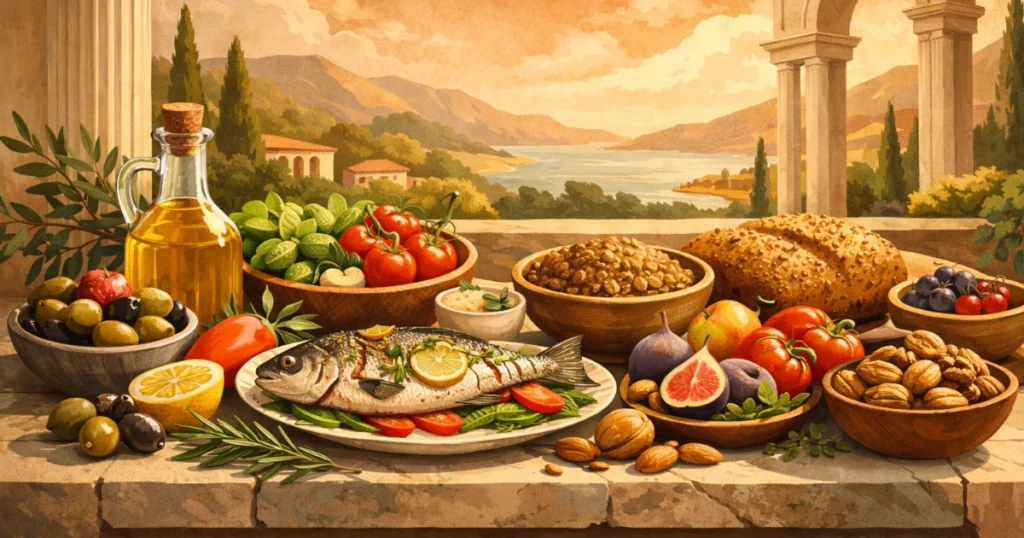
The Mediterranean diet is not a modern trend but a traditional way of eating rooted in the cultures of Greece, Italy, and Spain. It reflects the dietary patterns of people living in these regions, where meals are based on fresh, seasonal, and minimally processed foods.
At its core, the Mediterranean diet emphasizes whole foods such as vegetables, fruits, whole grains, legumes, nuts, and seeds. Healthy fats—especially olive oil—play a central role, replacing processed and unhealthy fats commonly found in modern diets. Moderate consumption of dairy, fish, and poultry is encouraged, while red meat and processed foods are limited.
Another defining aspect is lifestyle. Meals are not rushed; they are enjoyed with family, combined with physical activity, and supported by a balanced daily routine. This holistic approach is one of the reasons why the diet is widely associated with long-term health benefits.
According to the Harvard T.H. Chan School of Public Health, this eating pattern is linked to improved heart health, better weight management, and reduced risk of chronic diseases. It answers a common question many beginners ask: what foods are in the Mediterranean diet? The answer lies in simplicity—natural, nutrient-dense foods that nourish the body without unnecessary processing.
In the next section, we will break down exactly what makes this diet so powerful and why it continues to be considered one of the healthiest in the world.
What Makes the Mediterranean Diet So Healthy?
Understanding what makes the Mediterranean diet so healthy comes down to three powerful factors: anti-inflammatory foods, high antioxidant intake, and the use of heart-friendly fats. Unlike restrictive diets, this approach works at a biological level to improve overall body function.
Anti-Inflammatory Foods
Chronic inflammation is one of the root causes of major health issues such as heart disease, obesity, and even mental fatigue. The Mediterranean diet naturally reduces inflammation by emphasizing whole, unprocessed foods.
Key anti-inflammatory foods include:
- Leafy vegetables (spinach, kale)
- Fruits (berries, oranges)
- Nuts and seeds
- Legumes like lentils and chickpeas
These foods help regulate the body’s internal systems and reduce long-term health risks without relying on medication.
Rich in Antioxidants
Another major reason this diet stands out is its high antioxidant content. Antioxidants protect your body from oxidative stress, which can damage cells and accelerate aging.
Common antioxidant-rich foods in this diet:
- Tomatoes (lycopene)
- Berries (flavonoids)
- Olive oil (polyphenols)
- Green vegetables
Regular consumption of these foods improves immunity, skin health, and even brain function over time.
Heart-Friendly Fats (Olive Oil)
One of the biggest differences between the Mediterranean diet and modern eating habits is the type of fat consumed. Instead of unhealthy trans fats or refined oils, this diet relies on olive oil as its primary fat source.
Olive oil is rich in monounsaturated fats, which:
- Lower bad cholesterol (LDL)
- Increase good cholesterol (HDL)
- Support overall cardiovascular health
This is a key reason why populations following this diet have significantly lower rates of heart disease.
According to the Mayo Clinic, the Mediterranean diet is consistently ranked among the healthiest eating patterns due to its ability to reduce the risk of chronic diseases while promoting overall well-being.
In simple terms, the strength of this diet lies in its foundation—natural foods that work with your body, not against it.
Complete List of Foods in the Mediterranean Diet
To truly understand how this lifestyle works, you need a clear and structured view of the list of foods in the Mediterranean diet. The focus is on natural, minimally processed ingredients grouped into core categories that support long-term health.
Mediterranean Diet Food Categories
| Category | Foods Included | Key Benefits |
|---|---|---|
| Vegetables | Spinach, broccoli, tomatoes, zucchini, eggplant, bell peppers | Rich in fiber, vitamins, antioxidants |
| Fruits | Oranges, apples, berries, grapes, figs, pomegranates | Natural sugars, hydration, antioxidants |
| Whole Grains | Oats, brown rice, whole wheat, barley, quinoa | Sustained energy, digestive health |
| Legumes | Lentils, chickpeas, beans, peas | Plant protein, fiber, heart health |
| Nuts & Seeds | Almonds, walnuts, flaxseeds, chia seeds | Healthy fats, brain support |
| Healthy Fats | Olive oil, olives | Anti-inflammatory, heart protection |
| Dairy | Yogurt, cheese (in moderation) | Calcium, gut health |
| Protein Sources | Fish (salmon, sardines), eggs, poultry | Muscle repair, omega-3 fatty acids |
This structured approach answers a common question: what foods are in the Mediterranean diet? Instead of restriction, it promotes inclusion of nutrient-dense foods that work together to improve overall health.
Top 15 Foods to Eat in the Mediterranean Diet
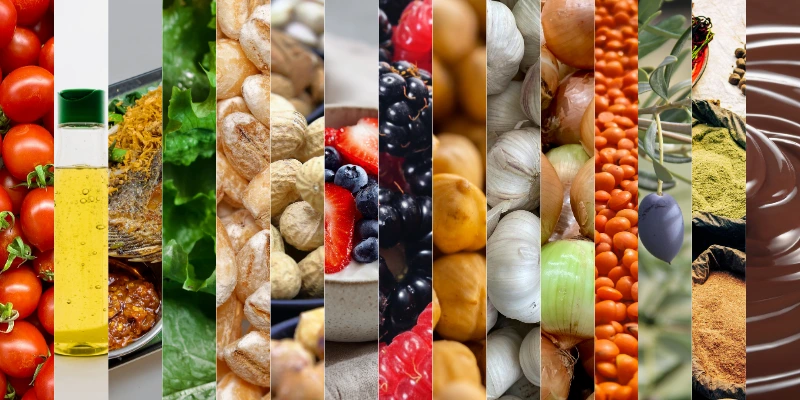
Now that you understand the categories, let’s go deeper into the most powerful foods to eat in the Mediterranean diet. These are the staples that deliver the maximum health benefits when consumed regularly.
1. Olive Oil
Benefits:
Extra virgin olive oil is the foundation of this diet. It is rich in monounsaturated fats and antioxidants that reduce inflammation and support heart health.
How to Use:
Use it for cooking, salad dressings, or as a topping over vegetables and bread.
2. Tomatoes
Benefits:
High in lycopene, a powerful antioxidant linked to reduced risk of heart disease and certain cancers.
How to Use:
Add to salads, curries, or consume as fresh juice.
3. Fatty Fish (Salmon, Sardines)
Benefits:
Loaded with omega-3 fatty acids that improve brain function and reduce inflammation.
How to Use:
Grill, bake, or lightly fry with olive oil and herbs.
4. Leafy Greens
Benefits:
Spinach, kale, and similar greens are rich in iron, fiber, and essential vitamins.
How to Use:
Include in salads, smoothies, or sautéed dishes.
5. Whole Grains
Benefits:
Provide long-lasting energy and support digestion due to high fiber content.
How to Use:
Replace refined grains with oats, brown rice, or whole wheat roti.
6. Nuts
Benefits:
Almonds and walnuts support brain health and provide healthy fats.
How to Use:
Eat as snacks or add to breakfast bowls.
7. Greek Yogurt
Benefits:
Rich in probiotics, protein, and calcium, supporting gut and bone health.
How to Use:
Consume as breakfast or a healthy snack.
8. Berries
Benefits:
Packed with antioxidants that fight aging and improve brain health.
How to Use:
Add to smoothies, yogurt, or eat fresh.
9. Chickpeas
Benefits:
Excellent plant-based protein source that supports muscle and digestion.
How to Use:
Use in salads, hummus, or curries.
10. Garlic
Benefits:
Known for its anti-inflammatory and immunity-boosting properties.
How to Use:
Add to almost every savory dish for flavor and health benefits.
11. Onions
Benefits:
Contain antioxidants that support heart health and immunity.
How to Use:
Use in cooking, salads, or as a base for meals.
12. Lentils
Benefits:
High in protein and fiber, ideal for vegetarians following this diet.
How to Use:
Prepare as dal or soups.
13. Olive-Based Dishes
Benefits:
Olives themselves are rich in healthy fats and antioxidants.
How to Use:
Include in salads, pasta, or as snacks.
14. Herbs & Spices
Benefits:
Natural flavor enhancers like oregano, basil, and turmeric reduce the need for salt and provide antioxidants.
How to Use:
Use generously in cooking.
15. Dark Chocolate (in Moderation)
Benefits:
Contains flavonoids that support heart and brain health.
How to Use:
Consume small portions occasionally.
These foods form the backbone of the Mediterranean lifestyle. By consistently including these foods to eat in the Mediterranean diet, you not only improve physical health but also build a sustainable and enjoyable eating pattern that supports long-term well-being.
Mediterranean Diet Food Pyramid (Explained Simply)
The Mediterranean diet is often best understood through a food pyramid, which shows how frequently different foods should be consumed. Unlike rigid diet charts, this pyramid focuses on balance and sustainability.
According to Oldways, the structure is simple and practical:
Daily Foods (Foundation of Your Diet)
These should make up the majority of your meals:
- Vegetables (leafy greens, tomatoes, zucchini)
- Fruits (seasonal and fresh)
- Whole grains (brown rice, oats, whole wheat)
- Olive oil (primary cooking fat)
- Nuts and seeds
- Legumes (lentils, chickpeas)
These foods provide essential nutrients, fiber, and healthy fats that support heart health and digestion.
Weekly Foods (Moderation is Key)
These are important but should be consumed a few times a week:
- Fish and seafood (2–3 times per week)
- Poultry and eggs
- Dairy (yogurt and cheese in moderate amounts)
They provide protein, calcium, and omega-3 fatty acids, contributing to muscle repair and overall health.
Rare Foods (Limit Consumption)
These should be eaten occasionally:
- Red meat
- Processed foods
- Sugary desserts
Limiting these helps reduce inflammation, maintain weight, and lower the risk of chronic diseases.
This pyramid answers a key question about foods in the Mediterranean diet: it’s not just about what you eat, but how often you eat it. The balance between daily, weekly, and rare foods is what makes this diet sustainable and effective.
Mediterranean Diet for Weight Loss
One of the biggest reasons people adopt this lifestyle is for sustainable fat loss. If followed correctly, the mediterranean diet for weight loss approach works without extreme restrictions or starvation.
Calorie Control Without Starvation
The diet naturally controls calorie intake because it focuses on high-fiber, nutrient-dense foods. Vegetables, whole grains, and healthy fats keep you full for longer, reducing unnecessary snacking.
Fat-Burning Foods
Many foods in this diet actively support fat loss:
- Olive oil improves metabolism
- Nuts reduce hunger cravings
- Fish supports lean muscle and fat burning
- Legumes stabilize blood sugar levels
These foods help your body burn fat more efficiently instead of storing it.
Why It Works Better Than Crash Diets
Crash diets often lead to quick weight loss followed by regain. The Mediterranean diet works differently:
- It is sustainable long-term
- It does not eliminate entire food groups
- It supports metabolism instead of slowing it down
Because of this, people experience steady and lasting results rather than temporary changes.
Mediterranean Diet for Brain Health (Foggy Mind & Anxiety)
Beyond physical health, this diet has a powerful impact on mental clarity and emotional balance. Many people struggling with foggy mind and anxiety find improvement after switching to this eating pattern.
Omega-3 and Brain Function
Foods like fatty fish, walnuts, and seeds are rich in omega-3 fatty acids. These nutrients:
- Improve memory and focus
- Support brain cell function
- Reduce cognitive decline
Regular intake can significantly enhance mental performance.
Reduces Stress and Inflammation
Chronic inflammation is closely linked to anxiety and brain fog. The Mediterranean diet includes anti-inflammatory foods such as:
- Olive oil
- Vegetables and fruits
- Nuts and seeds
These help regulate stress hormones and promote a calmer, more balanced mental state.
By consistently following this approach, you not only improve physical health but also support long-term brain function and emotional stability.
7-Day Beginner Mediterranean Diet Meal Plan
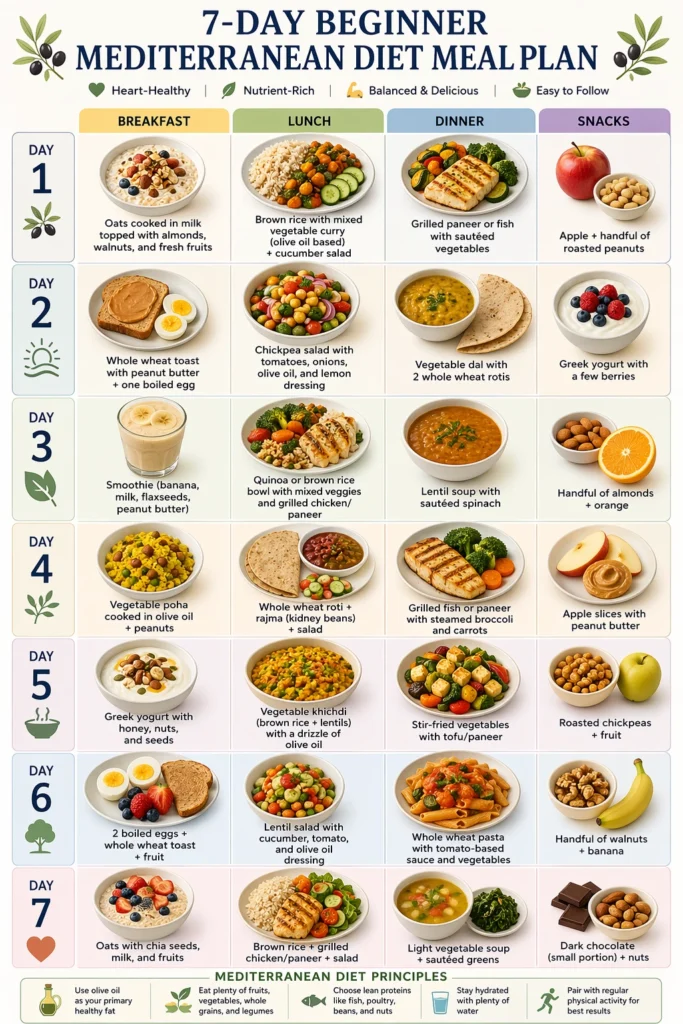
A practical meal plan is where most people succeed or fail. Understanding foods is one thing, but knowing how to combine them daily is what makes the Mediterranean lifestyle sustainable. This 7-day beginner plan is designed to be simple, budget-friendly, and adaptable to an Indian kitchen while still staying true to the core principles of the diet.
This plan focuses on balanced meals using the right foods to eat in the Mediterranean diet—whole grains, healthy fats, vegetables, and clean protein sources.
Day 1
Breakfast:
Oats cooked in milk topped with almonds, walnuts, and fresh fruits
Lunch:
Brown rice with mixed vegetable curry (olive oil based) + cucumber salad
Dinner:
Grilled paneer or fish with sautéed vegetables
Snacks:
Apple + handful of roasted peanuts
Day 2
Breakfast:
Whole wheat toast with peanut butter + one boiled egg
Lunch:
Chickpea salad with tomatoes, onions, olive oil, and lemon dressing
Dinner:
Vegetable dal with 2 whole wheat rotis
Snacks:
Greek yogurt with a few berries
Day 3
Breakfast:
Smoothie (banana, milk, flaxseeds, peanut butter)
Lunch:
Quinoa or brown rice bowl with mixed veggies and grilled chicken/paneer
Dinner:
Lentil soup with sautéed spinach
Snacks:
Handful of almonds + orange
Day 4
Breakfast:
Vegetable poha cooked in olive oil + peanuts
Lunch:
Whole wheat roti + rajma (kidney beans) + salad
Dinner:
Grilled fish or paneer with steamed broccoli and carrots
Snacks:
Apple slices with peanut butter
Day 5
Breakfast:
Greek yogurt with honey, nuts, and seeds
Lunch:
Vegetable khichdi (brown rice + lentils) with a drizzle of olive oil
Dinner:
Stir-fried vegetables with tofu/paneer
Snacks:
Roasted chickpeas + fruit
Day 6
Breakfast:
2 boiled eggs + whole wheat toast + fruit
Lunch:
Lentil salad with cucumber, tomato, and olive oil dressing
Dinner:
Whole wheat pasta with tomato-based sauce and vegetables
Snacks:
Handful of walnuts + banana
Day 7
Breakfast:
Oats with chia seeds, milk, and fruits
Lunch:
Brown rice + grilled chicken/paneer + salad
Dinner:
Light vegetable soup + sautéed greens
Snacks:
Dark chocolate (small portion) + nuts
How to Use This Plan Effectively
- Rotate meals based on availability and preference
- Use olive oil as your primary cooking fat
- Keep portions balanced, not excessive
- Stay hydrated and include physical activity
This meal plan removes confusion and gives you a clear starting point. By consistently following these meals built around the right foods in the Mediterranean diet, you create a system that supports weight management, energy levels, and overall health without feeling restrictive.
Foods to Avoid in the Mediterranean Diet
While the Mediterranean diet is known for its flexibility, its effectiveness depends heavily on limiting foods that disrupt metabolic health. To truly benefit from the right foods to eat in the Mediterranean diet, you must also be clear about what to avoid.
Processed Foods
Highly processed foods are stripped of nutrients and loaded with preservatives, unhealthy fats, and excess salt. Examples include packaged snacks, instant meals, and processed meats. These foods increase inflammation and reduce the overall effectiveness of the diet.
Sugary Drinks
Soft drinks, packaged juices, and energy drinks contain high amounts of added sugar. These lead to:
- Weight gain
- Blood sugar spikes
- Increased risk of metabolic disorders
Instead, the Mediterranean approach encourages water, herbal teas, and fresh natural beverages.
Refined Oils
Refined vegetable oils (such as soybean or palm oil) are highly processed and often contain unhealthy fats. These oils promote inflammation and are a major reason modern diets fail.
The Mediterranean diet replaces them with healthier alternatives like olive oil, which supports heart health and reduces oxidative stress.
Avoiding these foods is just as important as including the right ones. This balance is what makes the Mediterranean lifestyle sustainable and effective.
Common Mistakes Beginners Make
Many people start strong but fail to see results because of simple, avoidable mistakes. Understanding these will help you stay consistent and get better outcomes.
Overeating Olive Oil
Olive oil is healthy, but it is still calorie-dense. Consuming it in excess can slow down weight loss. The key is moderation—use it wisely, not excessively.
Ignoring Portion Size
Even healthy foods can lead to weight gain if eaten in large quantities. Whole grains, nuts, and dairy should be consumed in controlled portions to maintain balance.
Not Balancing Macronutrients
A common mistake is focusing only on fats or carbs while ignoring protein. A balanced plate should include:
- Healthy fats
- Complex carbohydrates
- Adequate protein
This ensures better energy levels, muscle maintenance, and overall health.
Avoiding these mistakes will help you fully benefit from the foods in the Mediterranean diet without hitting unnecessary plateaus.
Expert Tips
To build long-term trust and credibility, it’s important to align your approach with established nutritional science.
According to nutrition experts and global health authorities like the World Health Organization, a healthy diet should be based on whole, minimally processed foods, balanced nutrient intake, and reduced consumption of sugar, salt, and unhealthy fats.
Evidence-Based Tips for Better Results
1. Focus on Food Quality, Not Just Calories
Nutrient-dense foods provide better health outcomes than simply cutting calories. Whole foods improve metabolism and support long-term wellness.
2. Prioritize Plant-Based Eating
A large portion of your meals should come from vegetables, fruits, legumes, and whole grains. This aligns with global dietary recommendations for disease prevention.
3. Maintain Consistency Over Perfection
The Mediterranean diet is effective because it is sustainable. Small, consistent improvements in eating habits are more impactful than extreme short-term changes.
4. Combine Diet with Lifestyle
Regular physical activity, proper sleep, and mindful eating habits enhance the benefits of this diet significantly.
5. Customize Based on Your Needs
There is no one-size-fits-all approach. Adjust portions and food choices based on your activity level, goals, and preferences.
By following expert-backed principles and focusing on the right foods to eat in the Mediterranean diet, you create a system that supports not just weight loss, but long-term health, mental clarity, and overall performance.
FAQs
Q1: What foods are allowed in the Mediterranean diet?
The Mediterranean diet includes a wide variety of whole, natural foods. The main foods to eat in the Mediterranean diet are vegetables, fruits, whole grains, legumes, nuts, seeds, and healthy fats like olive oil. Moderate amounts of dairy, fish, eggs, and poultry are also included, while processed foods and refined sugars are limited. If you are wondering what foods are in the Mediterranean diet, the focus is always on fresh, minimally processed ingredients that provide maximum nutrition.
Q2: Can vegetarians follow this diet?
Yes, vegetarians can easily follow the Mediterranean diet because it is naturally plant-focused. Many foods in the Mediterranean diet such as lentils, chickpeas, beans, nuts, seeds, vegetables, and whole grains provide sufficient protein and nutrients. Dairy products like yogurt and cheese can also be included if desired. This makes it one of the most flexible and sustainable diets for vegetarians.
Q3: Is it good for weight loss?
The Mediterranean diet is highly effective for weight management because it focuses on balanced nutrition rather than extreme calorie restriction. By including high-fiber and nutrient-dense foods to eat in the Mediterranean diet, it helps control hunger and reduce overeating. Healthy fats and proteins keep you full for longer, making it easier to maintain a calorie deficit without feeling deprived. This is why many people prefer it over short-term crash diets.
Q4: Can Indians follow it easily?
Yes, Indians can follow the Mediterranean diet with simple modifications. Many traditional Indian foods like dal, roti, vegetables, and legumes already align with the core principles. By replacing refined oils with olive oil and increasing the intake of fresh vegetables and whole grains, it becomes easy to adapt. The list of foods in the Mediterranean diet is flexible enough to fit into Indian cooking styles without major changes.
Q5: What is the main food in the Mediterranean diet?
There is no single main food, but olive oil is considered the foundation of the Mediterranean diet. Along with that, vegetables, whole grains, and legumes form the base of daily meals. These foods in the Mediterranean diet work together to provide balanced nutrition, making the diet effective for long-term health and sustainability.
Conclusion
The Mediterranean diet is not just another trend—it is a proven, sustainable way of eating that supports long-term health. By focusing on whole, nutrient-dense ingredients, it helps improve heart health, enhance mental clarity, and promote steady weight management without extreme restrictions.
Throughout this guide, you’ve learned about the most effective foods to eat in the Mediterranean diet, how they are structured within the food pyramid, and how to apply them through a practical meal plan. You’ve also seen why this approach works better than short-term diets—it is built on balance, consistency, and real food.
The real advantage of this diet lies in its simplicity. You are not required to follow complicated rules or eliminate entire food groups. Instead, you make smarter choices daily—choosing olive oil over refined oils, whole grains over processed carbs, and fresh foods over packaged ones. Over time, these small decisions create a powerful impact on your overall health and lifestyle.
If you are just starting, do not aim for perfection. Start with small changes today. Replace one unhealthy meal, add more vegetables to your plate, or switch to healthier cooking fats. Consistency matters more than intensity.
This is not a temporary plan—it is a long-term investment in your health, energy, and quality of life.

Abhishek Negi is the founder and content creator behind Peak Mode Life. He writes about fitness, nutrition, wellness, relationships, and healthy living. His goal is to simplify health information into practical, actionable advice that helps readers build sustainable habits and improve their overall quality of life.