Quick Answer
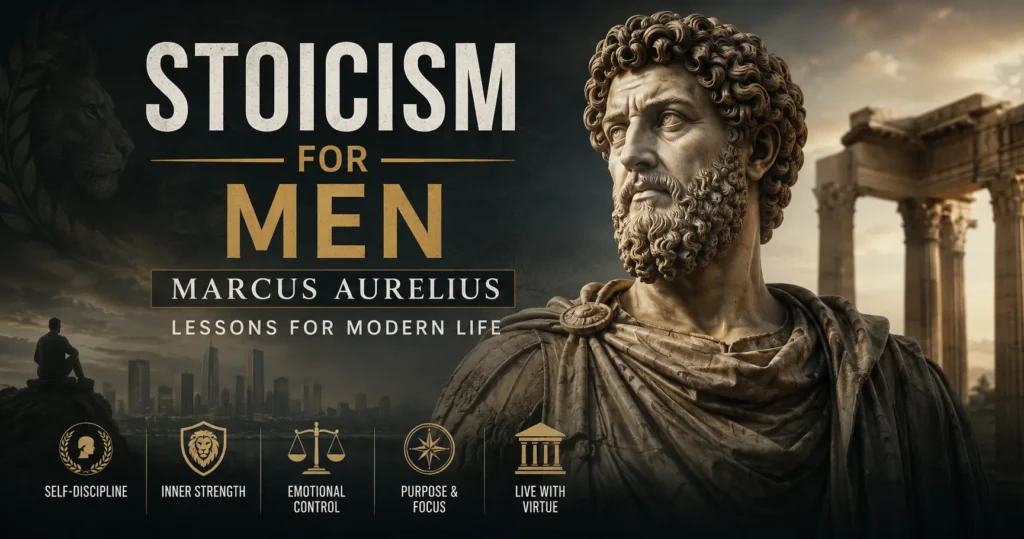
What is Stoicism? Stoicism is an ancient Greek-Roman philosophy of living that teaches self-discipline, rational thinking, and focusing on what you can control. It emphasizes virtue (like wisdom, courage, justice, and self-control) as the path to true happiness.
Who was Marcus Aurelius? Marcus Aurelius (121–180 AD) was a Roman emperor and a dedicated Stoic philosopher. He spent his life leading armies and running an empire, all while writing his private Meditations, a journal of Stoic thoughts. He’s remembered as one of the “Five Good Emperors” and for guiding Rome with wisdom.
Why does it matter today? Modern life is full of anxiety, distractions, and uncertainty. Stoic ideas – focusing on your thoughts, accepting what you cannot change, and acting with purpose – align with today’s psychology (even modern CBT techniques) and help men build mental strength. Learning Marcus’s lessons can give practical tools to stay calm, confident, and disciplined in 2026’s hectic world.
Key Takeaways
- Marcus Aurelius was a Roman Emperor (161–180 AD) and Stoic philosopher whose Meditations offer timeless life guidance.
- Stoicism teaches that virtue (wisdom, courage, justice, temperance) is the highest good, and true contentment comes from managing your thoughts and accepting reality.
- Stoic practice focuses on what we can control – our own judgments and actions – and accepting what we cannot. This mindset is echoed in modern therapy (CBT/REBT) for reducing anxiety.
- Today’s men face unprecedented pressures (social media, work stress, AI, loneliness). Stoicism offers tools like self-discipline, purpose, and emotional control to build resilience in this environment.
- Daily Stoic habits (morning reflection, journaling, exercise, gratitude) are practical steps to strengthen willpower, focus, and inner peace. Over time these create real life improvement.
- Stoicism is about living honestly and kindly. Applying Marcus’s lessons can improve confidence, leadership, and clarity, helping men navigate dating, career, and relationships with calm purpose.
Introduction
You grab your phone before even getting out of bed, already bombarded by notifications and the endless scroll of social media. You might feel a familiar knot in your gut: anxiety, emptiness, or just that nagging question, “Is this it? Is this really life?” In a world of constant comparison, dopamine hits, and distractions, many men struggle with focus, discipline, and purpose. Late nights, missed workouts, career confusion, social isolation, and even addiction to phone or porn can make you feel powerless. You’re not alone – today’s pressures are unique.
Imagine if you had guidance from an ancient warrior-philosopher. Marcus Aurelius was exactly that: a Roman emperor who faced war, disease, and palace intrigue, yet kept a clear, kind mind. He wrote down practical wisdom (in what we call Meditations) not to boast, but to coach himself. These Stoic teachings focus on controlling the mind, living by values, and finding inner strength. They weren’t about fancy words or empty pride; they were about real life, day by day.
In this article, we’ll channel Marcus Aurelius’s calm, wise voice as we explore Stoicism for modern men. You’ll read practical advice and examples – think of it as free life coaching from a 2,000-year-old “life coach.” By the end, you’ll see how ancient Stoic lessons can help you fight procrastination, anxiety, loneliness, and other challenges. Let’s turn your inner critic into a guide and build habits that make life feel more under your control.
Who Was Marcus Aurelius?
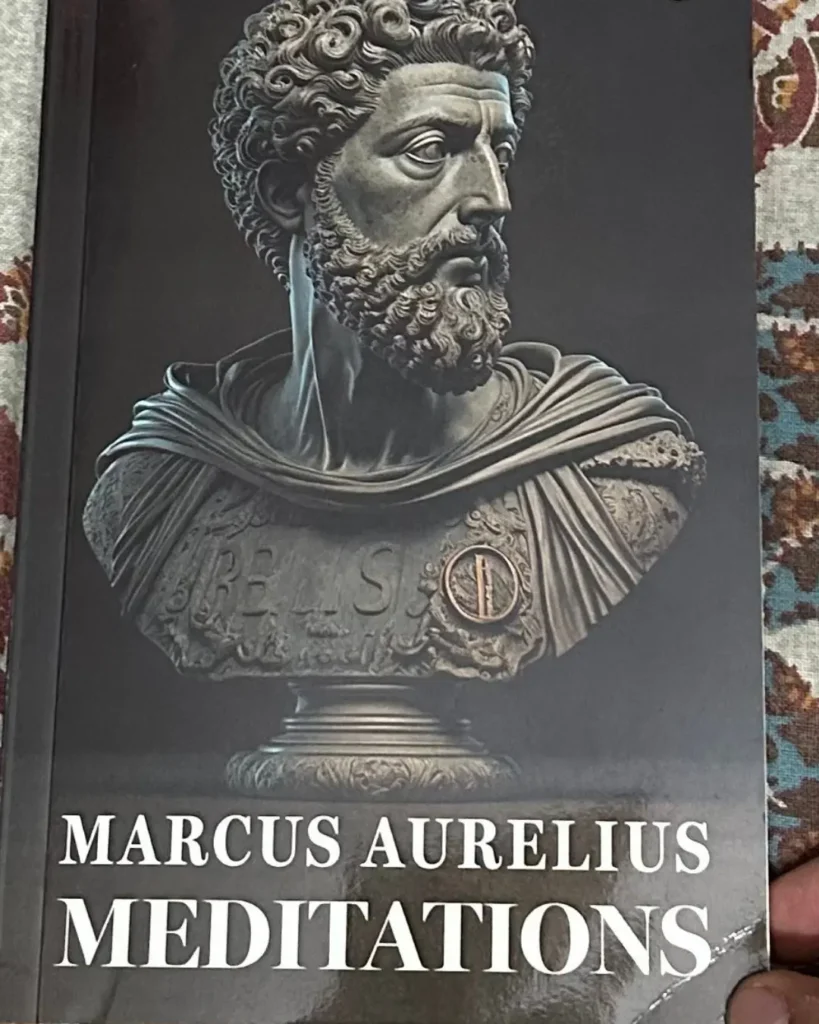
Marcus Aurelius Antoninus (121–180 AD) was no ordinary philosopher – he was the most powerful man in the world. As Roman Emperor from 161 to 180, he ruled an empire of millions. Yet he is best remembered not for political power, but for his personal wisdom. Marcus was trained in Stoicism (a Greek school of philosophy) from a young age. He believed a leader should act with virtue and rationality. His empire enjoyed one of its last great periods of peace (the Pax Romana), even as he himself spent years on difficult military campaigns guarding the borders.
Throughout his life, Marcus quietly wrote notes to himself in a journal. These private reflections – later named Meditations – reveal a humble, thoughtful man. He reminds himself to stay calm in adversity, to treat others kindly, and to remember how short life is. He often saw himself not as a god-king, but just a human fellow-citizen among others. Historically, he is famous as one of the Five Good Emperors of Rome, a title given by later thinkers to highlight his relatively benevolent rule.
Did you know? Marcus Aurelius was the last emperor of the peaceful Pax Romana era. Despite immense power, he called himself “the first citizen” and spent time in camps with common soldiers, writing about virtue and duty. His Meditations were never meant to be published – they were his personal guide.
Even with all his responsibilities, Marcus studied philosophy nightly. He asked himself tough questions like “What am I here to do today?” and “How can I act honorably?” His commitment to self-improvement set an example that leadership isn’t about glory but about character. Today we see Marcus as the archetype of the stoic warrior-poet: a ruler who valued wisdom over luxury. In a way, Marcus teaches us that true leadership and confidence come not from controlling others, but from mastering oneself.
What Is Stoicism?
Stoicism is an ancient philosophy of life, founded in Athens around 300 BC and later popular in Rome. At its core, Stoicism teaches self-control, rationality, and virtue. A Stoic focuses on their own character – being honest, disciplined, just, courageous – and accepts the rest as outside their control. The Stoics divided life’s challenges into two groups: what we can control (our own beliefs, choices, and effort) and what we cannot (other people’s actions, the weather, or random events). Peace and happiness come from working on what we can change and letting go of anxiety over the rest.
Stoicism also holds that the highest good is virtue. Marcus, like other Stoics, believed that true success comes not from wealth or fame, but from living wisely and ethically. A famous Roman philosopher, Cicero, summed it up: “The man who has virtue is in need of nothing”. In simple terms, Stoicism says: Live by your values, control your thoughts, and stay calm no matter what. Marcus wrote things like “Be like the cliff against which the waves continually break; but it stands firm and tames the fury of the water around it.” This is symbolic of steady mind under pressure.
Stoicism’s appeal today is that it was practical, not theoretical. Stoics wrote down exercises to train the mind (morning meditations, journaling, reminding themselves of death or hardship in advance). They practiced gratitude for what they had and planned ahead mentally for problems. Modern cognitive-behavioral therapy (CBT) and even some mindfulness techniques actually draw on these Stoic ideas. Researchers note that “Stoicism’s influence extended… shaping philosophical traditions and inspiring modern cognitive therapies”. In other words, what Marcus and Epictetus taught 2,000 years ago lines up with what psychologists tell us now about managing anxiety and negativity.
Myth vs Reality
| Myth | Reality |
|---|---|
| Stoics are emotionless, cold robots. | Stoics feel emotions too, but train themselves not to be led by anger, fear, or desire. They seek inner calm. |
| Stoicism means passive acceptance of everything. | Actually, Stoicism encourages active virtue: taking action on things you can change, and accepting the rest. |
| You must live like a monk or solitude. | Stoicism is for real life. Stoics engage with family, work, and society, doing their duty with honesty. |
| Stoicism is outdated or only for philosophers. | Its lessons on discipline, purpose, and control are timeless – many athletes, CEOs, and therapists use Stoic ideas. |
Why Modern Men Need Stoicism More Than Ever
Today’s world is wired for distraction and stress. Social media algorithms are designed to hook you, smartphone notifications hijack your attention, and AI-filled content can make real-life feel inadequate. According to Columbia Psychiatry, constant notifications create urgency and fear of missing out (FOMO), leading to increased anxiety and stress. Similarly, Stanford psychiatrists note that hours spent on social feeds bring “loneliness, anxiety, fear of missing out, social comparison, and depression”. Instagram and TikTok bombard young men with images of impossibly fit bodies, super-achievers, and adventure lifestyles. When a normal day or a work setback doesn’t measure up, it can hit hard.
Add in dating apps and quick “swipe” culture: rejections happen in an instant and often without context, which can fuel feelings of loneliness and inadequacy. (Many men joke about the endless “online dating mall” of choices). A lack of close friends and community spaces means many men feel isolated. In fact, recent reports show 15% of men have zero close friends and 1 in 4 young men feel lonely most days. Financial pressures and AI-driven job changes add more uncertainty. On top of all that, addictions to short-term dopamine – from phone scrolling, video games, or porn – can numb real purpose and increase shame (see how to Quit Porn).
Stoicism speaks directly to these issues. It reminds us that true validation comes from within, not from likes, matches, or external success. Marcus would advise: don’t be disturbed by what you see online; instead, focus on being a good person today. If an app rejects you, accept it as outside your control and use your energy to improve yourself. Stoic thought trains us to ask: “Is this within my power, or not?” If not, we let it go. This sharply contrasts with our brains’ tendency to obsess over every text or mention.
Moreover, Stoicism encourages resisting instant gratification and practicing discipline. In an age of consumerism and AI temptations, the Stoic reminds us: spend only on what is truly necessary, cultivate self-control, and remember that everything is fleeting. Marcus wrote that “the universe loves to create new forms” – everything changes, so chasing image or status is chasing smoke. Instead, focus on building inner strength and virtues (courage, honesty, perseverance) that no algorithm can touch.
In short, men today face a perfect storm of triggers: social media comparison, career uncertainty, loneliness, and unhealthy habits. Stoicism offers simple fixes: set personal boundaries (e.g. screen time limits), practice gratitude and mindfulness, and do what is right regardless of others’ approval. By learning to control your reaction and clarify your purpose, Stoic wisdom gives modern men tools to navigate dating apps, AI disruption, or workplace stress with a calm, disciplined mind. (For example, see how Men’s Mental Health Crisis in 2026 highlights social media’s toxic comparison culture.)
Try this today: next time you feel anxiety from your phone, remember Marcus’s advice to step back and breathe. With time, you’ll rely less on outside “validation” and more on an inner compass guided by Stoic character and wisdom.
10 Marcus Aurelius Lessons Every Man Should Live By
1. Control Your Reactions: “Choose not to be harmed—and you won’t feel harmed. Don’t feel harmed—and you haven’t been.”. Marcus reminded himself that no one can hurt your character unless you allow it. Historically, as emperor he faced insults, betrayal, and massive crises (like the Antonine Plague) but he practiced keeping his mind calm. Meaning: You can’t stop rude people or bad news, but you can decide your attitude. Modern example: If a coworker snaps at you, recognize it’s about their own stress, not your worth. Pause, breathe, and respond with reason instead of anger.
- Action step: When you start to feel hurt or angry, take three deep breaths and ask: “Is this within my control?” If not, let it go.
- Reflection question: What is one criticism or insult I’ve held onto lately? How can I reinterpret it or move on?
2. Live with Integrity: “Waste no more time arguing what a good man should be. Be one.”. Marcus urges action over talk. In history, he was a leader who embodied his values (fair to citizens, kind to family, disciplined in habits) rather than just preaching them. Meaning: Don’t just discuss ideals – live them. Modern example: If you believe helping others is right, volunteer or assist a stranger instead of just posting inspirational quotes about kindness. Practicing what you preach builds self-confidence and purpose.
- Action step: Pick one small ethical action today (e.g. return a lost item, apologize if you hurt someone) that aligns with your values.
- Reflection question: What does being a “good man” mean to me, and how can I show it in my daily actions?
3. Live Fully Now: “To live your brief life rightly, isn’t that enough?”. Marcus understood life is short and unpredictable. He fought wars and lost friends, always mindful that tomorrow is not promised. Meaning: Stop procrastinating and savor today. Modern example: Putting off exercise or family time because of work emails? Prioritize what truly matters. When you recognize that one day you might look back, you’ll treat every moment as important.
- Action step: Do one thing today you’ve been putting off (even if it’s small), like starting a book or calling a friend.
- Reflection question: If today were my last, would I feel good about how I spent it?
4. Mindset Shapes Reality: “The universe is change; our life is what our thoughts make it.”. Marcus constantly reminded himself that everything around him – seasons, people, empires – was always changing. He believed that your mind is the key to how you experience life. Meaning: Your thoughts turn events into good or bad experiences. Modern example: Waking up to a rainy day, one person sighs and feels miserable, another thinks “Great, I can rest or enjoy the cozy weather.” The weather didn’t change, only their mindset did.
- Action step: When faced with a setback (traffic, rude message, spilled coffee), reframe it: “What’s one positive I can find here?”
- Reflection question: How do negative thoughts influence my mood, and how can I train my mind to see opportunities instead?
5. Practice Simplicity: “Because most of what we say and do is not essential. If you can eliminate it, you’ll have more time and tranquility. Ask yourself at every moment, “Is this necessary?””. Marcus valued simplicity. Even as emperor he lived frugally, wearing plain clothes and eating simple food by Stoic choice. Meaning: Weed out distractions and excess in your life. Modern example: Consider how social media, unnecessary subscriptions, or out-of-control screen time clutter your day. Cutting down these non-essentials creates space for what truly matters (health, relationships, meaningful work).
- Action step: For the next hour, silence non-important notifications (email/social apps) and focus on one clear task or conversation. Notice how much calmer you feel.
- Reflection question: What’s one unnecessary habit I can cut out to free up time and mental space?
6. Embrace Challenges: No direct quote. Marcus faced constant battles (against Parthians, Germanic tribes, and his own illnesses). He wrote that obstacles are opportunities for virtues. Meaning: When life gives you a challenge, see it as training for resilience and wisdom. Modern example: If you fail a test or project, instead of feeling defeated, analyze what went wrong and use it as fuel to improve. Every problem mastered makes you stronger.
- Action step: Think of a current problem. Write down at least one lesson or skill you could gain from overcoming it.
- Reflection question: How did a past struggle make me a stronger or wiser person?
7. Cultivate Gratitude: “Dwell on the beauty of life.” (Marcus often urged himself to notice the good.) Though not in our citations, Marcus regularly reflected on simple blessings. He admired nature, stars, and simple joys amid duty. Meaning: Training your mind to focus on what’s good counters anxiety and material cravings. Modern example: Each morning or evening, list 3 things you appreciate (health, a friend, even a good meal). This shifts focus from lack to abundance.
- Action step: Start a gratitude jar or journal. Each day, write one thing you’re thankful for and place it in the jar.
- Reflection question: What is something beautiful or positive in my life right now that I often take for granted?
8. Reflect Daily: “You will find rest from vain fancies if you perform every act in life as though it were your last.”. Marcus often reviewed his day and motives. He believed mindful awareness cuts out pointless worries. Meaning: End each day evaluating your actions and thoughts. Modern example: Before bed, jot in a journal what you did well and what you’d change. Like a coach reviewing practice, this habit ensures you learn from mistakes and stay aligned with your goals.
- Action step: Each night, write down one success and one mistake from the day, and how you’ll improve tomorrow.
- Reflection question: What distraction or worry dominated my day today, and how did it affect my actions?
9. Build Self-Discipline: No direct quote. From the way Marcus prepared for battle to the austere life he led, discipline was key. He said, “Let your words be short, vigorous, and to the point.” Modern example: Make a small commitment (like a 10-minute workout) and follow through no matter what. Over time, these tiny wins build iron will.
- Action step: Set a strict rule for yourself tomorrow (e.g. no phone during meals, or do push-ups each morning) and stick to it. Notice how following through feels.
- Reflection question: What’s one small discipline I struggle with, and what’s a tiny step I can take toward it?
10. Serve a Greater Purpose: “If mind is common to us…then the Universe is a kind of Commonwealth.”. Marcus saw himself as part of a larger whole. He believed humans are social and should work together. Meaning: Find meaning beyond yourself – whether it’s helping family, community service, or mentoring. Modern example: Volunteer a bit of time each month or simply support a friend in need. This connects you with something bigger than daily worries and reinforces that your actions matter.
- Action step: Do a service for others today without expecting anything in return – help a coworker, give a genuine compliment, or mentor someone.
- Reflection question: How can I contribute to something larger (family, community, team) in a way that aligns with my values?
Marcus Aurelius vs Modern Life
| Modern Problem | Stoic Response |
|---|---|
| Instagram Comparison – Seeing curated lives that seem better than your own. | Value your own path. Remind yourself social feeds show other people’s highlights, not reality. Focus on your goals and virtues, not likes. |
| Dating Apps & Rejection – Endless swiping and feeling unworthy when rejected. | Accept and improve. Remember a matching result isn’t personal judgment. Use each “no” as practice in patience and self-esteem. Treat each person kindly, knowing everyone has their own reasons. |
| Harsh Criticism – Trolls or haters online making you feel bad. | Control your reaction. As Marcus says, no one can truly harm you without your consent. Consider if the criticism is true (and worth fixing) or just noise. Respond with calm honesty or not at all. |
| Fear of Failure – Worried that failing means the end of dreams. | Learn from it. Stoics see “failure” as feedback, not a final verdict. Reflect on what happened and try again better. Failure isn’t shameful, but a chance to grow. |
| Money & Consumerism – Feeling stressed to earn more or buy more. | Indifference to externals. Marcus taught that money itself is not good or bad; it’s how you use it. Live simply (like he did), spend on needs, and remember wealth can come and go. True wealth is virtue. |
| Pursuit of Success – Getting overwhelmed by ambition or praise. | Stay humble. Success is fleeting (“All is ephemeral”). Enjoy wins briefly, then focus on doing good with them. Don’t rely on success for self-worth; keep working on character. |
| AI & Automation – Fear of job loss or feeling replaced by tech. | Adapt and prepare. Control what you can (learn new skills, think creatively). Remember, intelligence and reason (your uniquely human traits) can navigate change as “reason will go through all obstacles”. |
| Online Arguments – Getting pulled into angry debates on social media. | Don’t feed the fire. Stoicism says keep a clear, peaceful mind. If someone attacks you or disagrees, answer politely or not at all. Arguing rarely changes others, but can disturb your tranquility. |
Daily Stoic Habits
Incorporate these simple habits into your daily routine to build a Stoic mindset:
- Morning Reflection: Wake up early and spend a few minutes in silence. Remind yourself of your main goals and virtues for the day (self-discipline, honesty, courage). (See Methods of Self Disciplinefor ideas on building morning routines.)
- Daily Journaling: Like Marcus’s Meditations, spend 5–10 minutes each evening writing down your thoughts. Review what went well, what challenged you, and how you responded. This builds self-awareness and guides improvement.
- Gratitude Practice: Write down or think of 3 things you’re grateful for each day – even small ones like a good meal or a friendly chat. This shifts your focus from lack to thankfulness.
- Negative Visualization: Once in a while, imagine a possible setback (job loss, criticism) and plan how you’d handle it calmly. This isn’t pessimism – it prepares you and makes you appreciate what you have.
- Exercise (Physical Training): Engage in daily physical activity (a workout, run, or even a brisk walk). Marcus valued physical health for a strong mind. Training your body teaches discipline. (For ideas, see Physical Transformation of a Men.)
- Silence and Mindfulness: Spend at least 10 minutes in silence (no phone, no music). Sit quietly or go for a solo walk. Notice your thoughts without judgment. This calms anxiety and strengthens focus.
- Reading and Learning: Read a stoic quote, a philosophy book, or something that expands your mind each day. Even 5 minutes of a good book or article can reframe your perspective. (Check out Stoic for Mental Strength for recommended readings.)
- Evening Reflection: Before sleep, review the day: Are your actions aligning with your values (like honesty and kindness)? Adjust tomorrow’s plan based on today’s lessons.
Keep this as a checklist. Small steps each day lead to big changes. Over time, these habits train your mind to naturally act like a Stoic: calm under pressure and focused on what truly matters.
Common Misunderstandings About Stoicism
| Myth | Reality |
|---|---|
| Stoicism means suppressing all emotions. | Stoics don’t deny feelings; they acknowledge them but aim to not be controlled by anger, envy, or fear. They practice rationally processing feelings instead of being slaves to them. |
| Stoics are detached or uncaring. | Stoicism actually encourages care for others – Marcus taught that we are all part of a common humanity. Stoics strive to act with kindness and justice in their relationships and duties. |
| Stoicism is pessimistic or negative. | Stoics train for worst-case scenarios so they’re not crushed by surprises. This is a practical optimism: you prepare for trouble but remain grateful for the good. |
| You have to live like an ancient Roman to be Stoic. | Stoicism is an attitude, not a lifestyle full of rituals. You can be Stoic while working modern jobs or raising a family. It’s about mindset and actions, not toga parties or complex ceremonies. |
FAQ
Q: What is Stoicism?
A: Stoicism is an ancient philosophy that teaches self-control, virtue, and resilience. It helps you focus on what you can control (your thoughts, efforts, and reactions) and accept what you can’t (other people’s actions, random events). Stoics believe true happiness comes from living according to virtue (like wisdom and courage) rather than chasing external pleasures or avoiding discomfort.
Q: Who was Marcus Aurelius and why quote him?
A: Marcus Aurelius was Roman Emperor from 161–180 AD and a devoted Stoic philosopher. He kept a diary of short philosophical reminders (the Meditations) to stay strong and ethical in tough times. We quote him because he practiced Stoicism in extreme leadership conditions. His insights – on dealing with adversity, fairness, and purpose – are practical and come from real experience as a warrior-king.
Q: Are Stoics emotionless or unkind?
A: Not at all. Stoicism does not mean suppressing feelings or being cold. It means recognizing emotions (sadness, anger, joy) but not letting negative ones take charge. For example, a Stoic might feel anger when wronged, but they won’t let it ruin their day or sense of reason. Marcus himself cared deeply: he often wrote about being kind and just to others. Stoics aim to act with compassion and rationality, not apathy.
Q: Can Stoicism help with anxiety and stress?
A: Yes. Stoic exercises (like reflecting on what you control, or imagining challenges beforehand) help break the cycle of anxious thinking. Modern therapy (CBT) uses similar ideas: recognizing that thoughts – not events themselves – cause stress. By practicing Stoic thinking (e.g. “This is outside my control, so worrying won’t help”), many people reduce anxiety. Of course, Stoicism is not a medical treatment. It’s a life philosophy that can complement, but not replace, professional help if you have serious mental health issues.
Q: Stoicism sounds old. Is it relevant to a guy in 2026?
A: Absolutely. The core of Stoicism is about human nature, which hasn’t changed. Whether you’re scrolling social media or working remotely, Stoic principles apply. In fact, technology often acts like a mirror to Stoic lessons: for example, Marcus advised being wary of constant pleasure pursuit (like endless binge-scrolling) and embracing discipline instead. His teachings on resilience, purpose, and inner peace are timeless – think of them as ancient wisdom for modern problems.
Q: Do I have to read the original Meditations?
A: Reading Meditations can be powerful, but it’s not required to practice Stoicism. Marcus’s writing style is personal and can be dense; you might prefer modern books or websites summarizing Stoic ideas (like Stoic for Mental Strength or popular Stoic authors). Even just applying the principles (control what you can, act ethically, reflect daily) without quoting text can make a big difference. Think of Marcus as a mentor – use his quotes as motivation, but focus on doing.
Q: How do I start practicing Stoicism today?
A: Begin with one small step: for example, notice when you get upset and ask yourself, “Is this in my control?” Practice being present by putting away your phone for a few minutes each day. Try journaling a bit each night about what went well and what you’d change. Use the 7-day challenge below or the daily habits checklist to start simple routines (like morning reflection or gratitude writing). Consistency is key; even short daily exercises compound into stronger willpower and calmness over time.
Quick Summary
- Control what you can: Your mindset shapes your life. Focus on your thoughts and actions, accept what’s outside your power.
- Virtue is everything: Be honest, brave, and fair in all you do. Don’t just talk about being good—live it.
- Practice gratitude and presence: Appreciate small joys (as Marcus advises) and use each day wisely.
- Prepare for challenges: See obstacles as training. Marcus knew hardship builds strength, so imagine and work through problems calmly.
- Reflect daily: Like Marcus, review your day in writing or thought. Learn from mistakes and plan improvements. This builds self-discipline and clarity.
7-Day Stoic Challenge
Try one Stoic task each day. These are simple, actionable steps to kickstart your Stoic practice:
- Morning Pause: Tomorrow morning, wake 10 minutes earlier. Sit quietly before looking at your phone. Remind yourself of Marcus’s teaching: “Begin the day by telling yourself, you will meet…people like this and that” – accepting whatever comes. Plan one virtue to practice today (e.g. patience or honesty).
- Digital Detox: Set specific “phone-free” times (like during meals or one hour before bed). Notice how habitually checking less makes you more present and calm. Remember: the Stoics valued real moments over distractions.
- Gratitude List: Before sleep, write 5 things you’re grateful for today. They can be small (good weather, a supportive friend) or big. This Stoic gratitude builds contentment with what you have.
- Negative Visualization: Imagine losing something you value (job, a planned trip, etc.). Reflect calmly: “If this happened, I would handle it by…” This may feel odd, but it prepares you so you worry less.
- Act of Kindness: Do one selfless good deed today (help a stranger, volunteer online help, or offer genuine praise). Stoicism emphasizes duty to others, which in turn boosts your own confidence and connection.
- Exercise Challenge: Push your comfort zone physically. Do extra reps at the gym or take a cold shower. Physical discipline trains mental toughness. Marcus marched his armies for days; you can start with a run or workout.
- Evening Reflection: End your week by journaling the biggest lesson you learned about yourself. Which Stoic principle helped you most? Write a short plan to keep that habit going next week.
Conclusion
Marcus Aurelius shows us that greatness comes from how we live each day, not from status or luck. He dealt with emperors’ battles and gladiators, but his advice is surprisingly fit for today’s battles with our minds and habits. Stoicism isn’t about denying reality or being unfeeling; it’s about facing life honestly and steering it with wisdom. By practicing Marcus’s lessons – acting with courage and kindness, reflecting on our thoughts, and focusing on what truly matters – you build a character that no setback can break.
The next time your phone buzzes or doubts cloud your mind, remember: you have a choice in response. Cultivate that choice daily, and you’ll find inner strength and peace. As Marcus put it, you are “the master of your will”, even if life is unpredictable. Embrace Stoicism not as a lecture, but as a hands-on workshop for living well. Take these lessons to heart, try the 7-day challenge, and watch as small changes grow into a life you’re proud of. In the end, living the Stoic way is the most powerful way to live in our complex modern world.

Abhishek Negi is the founder and content creator behind Peak Mode Life. He writes about fitness, nutrition, wellness, relationships, and healthy living. His goal is to simplify health information into practical, actionable advice that helps readers build sustainable habits and improve their overall quality of life.