Table of Contents
You don’t have a motivation problem.
You have a dopamine problem.
If you’re stuck in the cycle—late-night scrolling, “just one more time,” followed by guilt and zero control—you already know this isn’t about willpower anymore. It’s a pattern. A loop. And it’s running your brain.
Most people searching how to quit porn don’t fail because they’re weak. They fail because they don’t understand what they’re fighting. This guide is not theory. It’s how people actually break porn addiction—by fixing the system behind the behavior, not just the behavior itself.
What Porn Addiction Really Does to Your Brain
Porn addiction isn’t just a habit. It’s a neurological conditioning process.
Every time you watch pornography, your brain releases dopamine—the chemical responsible for motivation, reward, and pleasure. That’s normal. The problem is the intensity and frequency. Porn delivers an unnatural spike of dopamine, far higher than what real-life experiences provide.
Over time, your brain adapts.
It starts reducing sensitivity to dopamine. This is where the damage begins.
What used to feel exciting becomes normal. What used to be normal starts to feel boring. You need more stimulation, more novelty, more extremes just to feel the same level of satisfaction. This is how escalation happens.
This is also why everyday life starts to feel dull. Work feels harder. Focus drops. Real relationships feel less engaging. Not because they are—but because your brain has been trained to expect something more intense.
This is the core problem behind porn addiction recovery and pornography addiction recovery. You are not just quitting a habit. You are reversing a rewired reward system.
And when you try to quit, your brain pushes back.
Cravings increase. Urges become stronger. Your mind starts negotiating with you. This is not weakness—it’s withdrawal from a high-dopamine pattern your brain has become dependent on.
Quitting feels difficult because your brain has been conditioned to resist it.
This is the same reward system hijacked in drug addiction.
Signs You’re Addicted (Be Honest)
Porn addiction doesn’t always look extreme from the outside. Most people function normally on the surface while losing control internally. The real test is simple—can you stop when you decide to?
If you’ve tried to quit and keep going back, that’s not a lack of discipline. That’s dependency.
You’re likely dealing with addiction if you can’t stop even when you genuinely want to. You tell yourself “this is the last time,” but the cycle repeats within hours or days. Over time, the content you consume also changes. What once felt stimulating no longer works, and you find yourself searching for more extreme or novel material just to get the same effect.
You may also notice a constant drop in energy and focus. You feel drained, distracted, and mentally foggy, especially after consuming it. Anxiety and irritability become more common, even if you can’t clearly link them to the habit.
Another major sign is avoidance. Real relationships start to feel complicated or less appealing. You withdraw—socially, emotionally, sometimes even physically. This is where the problem connects directly to the broader men’s mental health crisis, where isolation, low motivation, and lack of purpose quietly build over time.
If this sounds familiar, don’t ignore it. Awareness is the first real step toward change.
Why Most People FAIL to Quit Porn
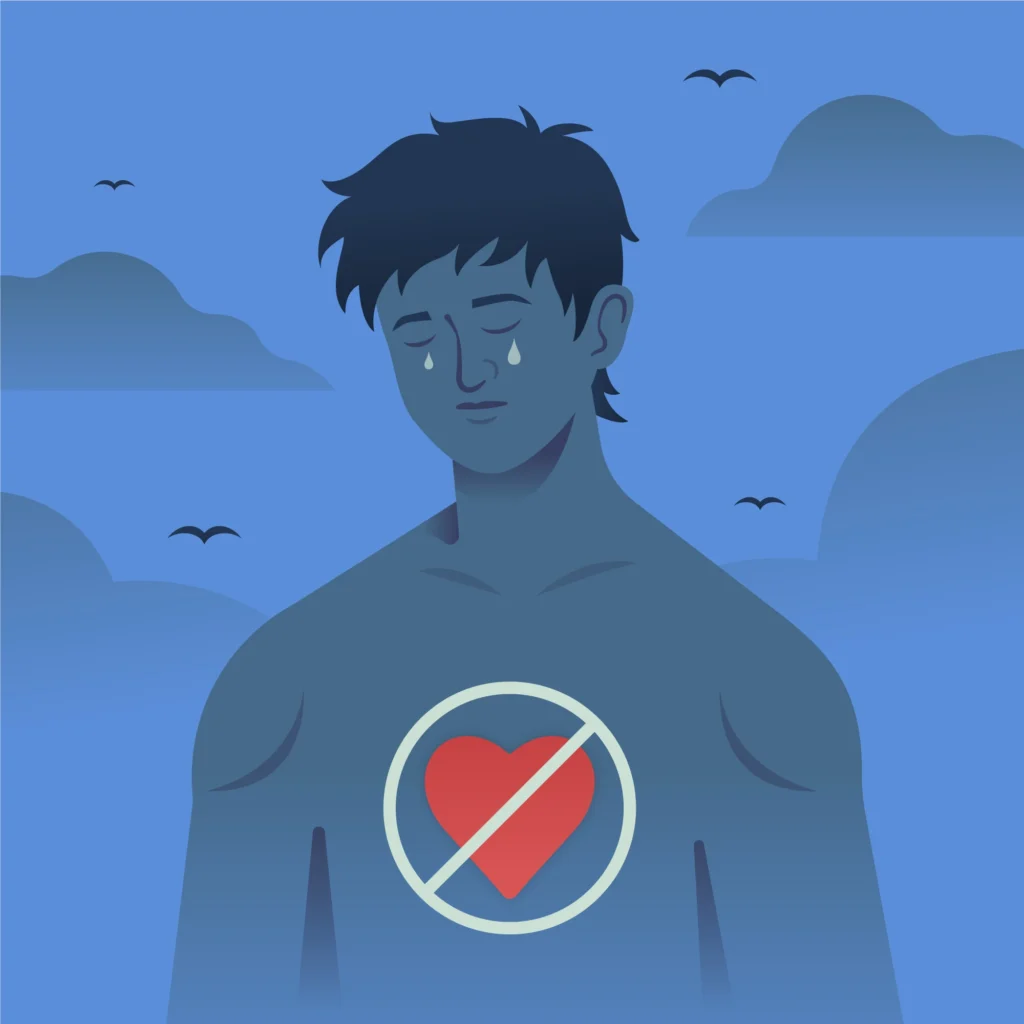
Most people don’t fail because quitting is impossible. They fail because they approach it the wrong way.
They rely on willpower alone.
That’s the first mistake. Willpower is unreliable. It fluctuates based on your mood, energy, environment, and stress levels. Trying to rely on it to fight a deeply conditioned habit is exactly why people keep searching for how to stop porn addiction and never actually succeed.
The second problem is exposure. Your environment is filled with triggers—your phone, social media, boredom, stress, even certain times of the day. If nothing changes around you, nothing changes within you. You’re trying to quit while constantly being pulled back in.
Then comes the third issue: no replacement.
You don’t just remove a habit like this. You replace it. When people quit porn but leave a void—no structure, no purpose, no alternative source of dopamine—the brain naturally returns to what it knows. That’s why so many people relapse even after a strong start.
Finally, there’s shame.
Instead of strategy, people rely on guilt. They feel bad after relapsing, promise themselves they’ll do better, and repeat the cycle. Shame doesn’t fix addiction. It reinforces it. It keeps you stuck in a loop where you react emotionally instead of acting with a system.
If you’re serious about learning how to overcome porn addiction, you need to stop treating it like a motivation problem and start treating it like a behavioral system problem. That’s where real recovery begins.
The 5-Step System to Quit Porn (That Actually Works)
This is where most people either change their life—or go back to the same cycle.
You don’t beat this with motivation. You beat it with structure. A system removes decision-making in weak moments and replaces it with control. If you’re serious about how to get out of porn addiction, you need to follow this step by step without negotiating with yourself.
Step 1 – Identify Your Triggers
Every relapse starts before the act. It starts with a trigger.
For most people, it’s predictable—late at night when you’re alone, during stress, when you feel bored or disconnected, or while scrolling endlessly on social media. These moments lower your resistance and increase impulsive behavior.
You need to map your pattern honestly. What time does it happen? What are you feeling right before it? What device are you using?
Until you identify your triggers, you’re fighting blind. Once you see the pattern, you can break it.
Step 2 – Cut Off Easy Access
If access is easy, relapse is easy.
You cannot expect discipline to win against convenience every time. You have to make the behavior difficult. Block the websites. Use app restrictions. Remove saved content. Unfollow pages that trigger you. Change where and how you use your phone—especially at night.
Your environment should support your goal, not sabotage it.
If you want to truly resist porn, stop relying on self-control alone and start controlling what you’re exposed to daily.
Step 3 – Dopamine Reset (Critical Step)
Right now, your brain is overstimulated.
Porn is not the only problem. It’s part of a bigger issue—constant dopamine spikes from social media, short-form content, and digital overload. If you don’t reduce this, your brain will keep craving intensity.
A dopamine reset doesn’t mean doing nothing. It means removing artificial stimulation and bringing your brain back to baseline.
Reduce junk input—limit scrolling, avoid mindless content, cut unnecessary screen time. At the same time, increase real-world activity. Exercise regularly. Go outside. Interact with people. Do things that require effort.
This is the foundation of pornography addiction recovery. You are training your brain to find satisfaction in real life again.
Step 4 – Replace the Habit (Not Optional)
You don’t remove a habit—you replace it.
If you simply try to quit without filling the gap, your brain will go back to what it knows. That’s why so many people fail after a few days. They remove the behavior but keep the same lifestyle.
You need a replacement that gives structure and purpose. This could be the gym, work, learning a skill, building something, or improving your social life. It has to demand energy and attention.
This is also where many people confuse the issue with habits like “masturbate everyday” thinking it’s harmless, without understanding the deeper impact and the long-term disadvantages of masturbation when it becomes excessive and tied to artificial stimulation.
If you’re serious about how to conquer porn addiction, you need to build a life where this habit no longer fits.
Step 5 – Build Accountability
Addiction survives in secrecy.
The moment you hide it, it gains power. The moment you bring structure and accountability, it starts losing control over you.
You need some form of external pressure. This could be a trusted friend, a mentor, or even a system where you track your progress daily. Keep a visible record of your streak. Make it real.
When you know someone or something is holding you accountable, your decisions change.
If you truly want to learn how to quit porn addiction, stop trying to do it alone. Structure beats isolation every time.
What Happens When You Quit Porn (Timeline)
One of the biggest reasons people relapse is because they don’t understand what’s happening during recovery. They expect instant results. When that doesn’t happen, they assume it’s not working.
Recovery is a process. Here’s what it actually looks like.
Week 1: The Hardest Phase
This is where cravings peak.
Your brain is used to high stimulation, and suddenly it’s being cut off. You may feel irritated, restless, and mentally uncomfortable. Urges will be strong and frequent.
This is not failure. This is withdrawal.
Week 2–3: Stability Starts Returning
This is where things begin to shift.
Your energy starts improving. Your focus becomes sharper. The constant urge starts losing intensity. You feel more in control, even if not completely free yet.
This is where most people either build momentum—or relapse due to overconfidence.
30+ Days: Real Change Becomes Visible
This is where the real benefits show.
Your mood stabilizes. Confidence increases. You feel more present in real-life interactions. Attraction shifts from artificial stimulation to real connections.
This is the stage where porn addiction recovery becomes real—not just something you’re trying, but something you’re living.
Withdrawal Symptoms No One Talks About
Most people quit for a few days, feel worse, and assume something is wrong. It’s not. It’s withdrawal.
When you remove a high-dopamine habit, your brain doesn’t immediately stabilize. It reacts. And if you don’t understand these reactions, you’ll misinterpret them as failure.
Anxiety is one of the first signs. You feel restless without a clear reason. Your mind looks for relief, and it knows exactly where to find it. That’s why urges feel stronger during this phase. They don’t come as suggestions—they come as pressure.
Mood swings are also common. One moment you feel in control, the next you feel irritated or low. This is your brain recalibrating after being overstimulated for too long.
Then comes brain fog. Focus drops. Motivation feels off. Tasks that should be simple feel heavier than usual. This is temporary, but it’s where most people break.
None of this means you’re going backward. It means your system is resetting. If you push through this phase instead of reacting to it, you come out stronger and more stable.
Relapse? Read This First
Relapse doesn’t mean you failed. It means your system wasn’t strong enough yet.
The worst mistake you can make after a relapse is turning it into a full reset. One slip becomes a binge because you think, “I’ve already messed up.” That mindset does more damage than the relapse itself.
If it happens, stop immediately. Don’t wait for the next day, next week, or some “perfect restart.” The faster you interrupt the pattern, the less control it gains.
Then analyze it. What triggered it? Time, emotion, environment, or exposure? Every relapse gives you data. Use it. Adjust your system based on what actually caused the breakdown.
If you’re serious about learning how to get rid of pornography, you need to treat relapse as feedback, not failure. Progress is built by correcting mistakes, not avoiding them.
How Porn Addiction Affects Your Life

The impact goes far beyond the habit itself.
In relationships, it creates distance. You become less present, less engaged, and less connected. Over time, trust and emotional depth start weakening—even if nothing is said openly.
Confidence takes a hit as well. Repeated loss of control affects how you see yourself. You start doubting your discipline, your focus, your ability to follow through on decisions.
Your work and productivity suffer quietly. Focus drops. Energy becomes inconsistent. You spend more time distracted and less time building anything meaningful.
At a deeper level, it affects your identity. You begin to feel out of alignment with the person you want to be. This is where it ties directly into the broader men’s mental health crisis—low motivation, isolation, lack of direction, and internal frustration that builds over time.
This isn’t just about quitting a habit. It’s about getting your control back.
Professional Help (When You Need It)
There are situations where you shouldn’t try to handle this alone.
If the addiction is deeply ingrained, affecting your daily life, or tied to anxiety, depression, or past experiences, professional help is not optional—it’s necessary.
Cognitive Behavioral Therapy (CBT) is one of the most effective approaches. It helps you identify thought patterns, emotional triggers, and behaviors that keep the cycle going. Instead of guessing, you work with a structured method.
Counseling provides a space to speak openly without judgment. For many, this alone removes a major layer of pressure and secrecy that fuels the habit.
Support groups also play a role. Being around people dealing with the same struggle changes perspective. It removes isolation and adds accountability in a way that self-effort alone often cannot.
Seeking help is not weakness. It’s a decision to solve the problem properly instead of staying stuck in the same loop.
Frequently Asked Questions
1. What is porn addiction?
Porn addiction is a compulsive behavior where a person repeatedly consumes pornography despite negative effects on their mental health, focus, relationships, and daily life. It’s driven by a dopamine-based reward loop that conditions the brain to seek constant stimulation.
2. How to stop porn addiction?
To stop porn addiction, you need a structured approach: identify your triggers, remove easy access, reduce overall dopamine overload, replace the habit with productive activities, and build accountability. It’s not about willpower—it’s about changing your environment and behavior system.
3. How long does it take to quit porn?
There’s no fixed timeline, but most people start noticing changes within 2–4 weeks. Strong recovery and mental rewiring typically take 30 to 90 days, depending on consistency, habits, and how deeply the pattern is ingrained.
4. Is porn addiction curable?
Yes, porn addiction is curable with the right system and consistency. The brain can rewire itself over time, but recovery requires discipline, awareness, and lifestyle changes—not just temporary effort.
5. How to resist porn urges instantly?
When an urge hits, interrupt it immediately. Change your environment, put your phone away, move your body, or engage in a task that demands focus. Urges are temporary—if you delay reaction and shift attention, they lose intensity quickly.
Final Truth
No one is coming to fix this for you.
Not a video. Not a post. Not motivation. At some point, you have to decide that this stops—completely. Because if you don’t take control of your mind, it will keep running the same pattern, day after day, year after year.
This habit doesn’t stay small. It spreads into your focus, your confidence, your relationships, and your identity. And the longer you delay, the harder it gets to break.
You already know what needs to be done. The question is whether you’re willing to do it consistently, even when it’s uncomfortable.
If you’re serious about learning how to quit porn, then stop waiting for the perfect moment. It doesn’t exist.
Start now. Not tomorrow.